
Defi, the Exciting Crypto Revolution in Finance: the Future is Here
Decentralized finance (DeFi) has taken the financial industry by storm, and for a good reason. As its name suggests, DeFi is a new form of financial technology that enables people to participate in financial transactions without intermediaries, such as banks or other financial institutions. By using decentralized systems such as blockchain technology, DeFi allows for secure, transparent, and censorship-resistant financial services. In this article, we will explore how DeFi works, its potential impact on the financial industry, and what it means for the future of finance.
Table of Contents
- Defi, the Exciting Crypto Revolution in Finance: the Future is Here
- DeFi Explained: How Crypto is Changing Finance
- The Future of Finance: Assessing DeFi's Potential Impact
- DeFi vs Traditional Finance: Examining the Advantages
- Risks and Rewards: Understanding the Challenges of DeFi
- Conclusion about Defi
- FAQ
Defi, the Exciting Crypto Revolution in Finance: the Future is Here

Decentralized finance, or DeFi, is a rapidly growing movement that aims to revolutionize the financial industry by leveraging blockchain technology to create a new type of financial system that operates on decentralized networks. Instead of relying on centralized financial institutions, DeFi applications are built on top of decentralized blockchain platforms such as Ethereum.
One of the key features of DeFi is the use of smart contracts, which are self-executing contracts with the terms of the agreement directly written into code. These contracts are stored on the blockchain and are executed automatically when certain conditions are met. This means that financial transactions can be automated without the need for intermediaries such as banks or other financial institutions.
Different ways DeFi has the potential to disrupt traditional finance
DeFi has the potential to disrupt traditional finance in several ways. First, it can increase access to financial services for people who are currently underserved or excluded from the traditional financial system. Because DeFi applications can be built on top of a public blockchain, they can be accessed by anyone with an internet connection.
Second, DeFi can reduce the cost of financial services by removing intermediaries and automating processes. This can lead to lower fees and faster transaction times, which can be especially beneficial for people who need to send money across borders or make small transactions.
Overall, DeFi represents a new paradigm in finance that has the potential to democratize access to financial services, reduce costs, and increase transparency and accountability in the financial system. As the technology continues to evolve and mature, it is likely that we will see even more innovative applications of DeFi in the future.
DeFi Explained: How Crypto is Changing Finance

DeFi works by leveraging blockchain technology to create a trustless and decentralized financial system. Instead of relying on intermediaries, DeFi applications use smart contracts to automate financial transactions. Smart contracts are self-executing contracts that automatically execute when specific conditions are met. They are programmed to enforce the rules and regulations of the financial transaction, eliminating the need for intermediaries.
DeFi applications can be used for a variety of financial services, including lending and borrowing, trading, insurance, and more. Some popular DeFi applications include decentralized exchanges (DEXs), which allow users to trade cryptocurrencies without intermediaries, and lending platforms, which allow users to lend and borrow cryptocurrencies without the need for traditional banks or financial institutions.
The Future of Finance: Assessing DeFi’s Potential Impact

Decentralized finance, or DeFi, is revolutionizing the financial industry. By leveraging blockchain technology, DeFi platforms allow for peer-to-peer financial transactions without the need for intermediaries such as banks or financial institutions. As a result, DeFi is disrupting traditional finance and introducing a new era of financial freedom.
The potential impact of DeFi on the financial industry is immense. With DeFi, individuals can access financial services that were previously unavailable or limited to only certain individuals or institutions. DeFi platforms enable users to borrow, lend, and trade cryptocurrencies, as well as earn interest on their holdings. Furthermore, DeFi allows for more transparent and secure transactions, eliminating the need for third-party intermediaries and reducing the risks of fraud.
DeFi is not without challenges and risks
However, the DeFi industry is not without its challenges and risks. One major challenge is the complexity of the platforms, which can be difficult for beginners to navigate. Additionally, there are concerns around the security of DeFi platforms, as they are still vulnerable to hacks and other cyber-attacks.
Despite these challenges, the future of finance is likely to be shaped by DeFi. The potential benefits of DeFi in terms of accessibility, transparency, and security are too great to ignore. As the DeFi industry continues to mature, it is likely that we will see more innovation and advancements in the field.
In conclusion, DeFi is a disruptive force that has the potential to reshape the financial industry. While challenges and risks remain, the benefits of DeFi are too significant to ignore. As we move forward, it is important to remain vigilant and continue to innovate in the DeFi space.
DeFi vs Traditional Finance: Examining the Advantages
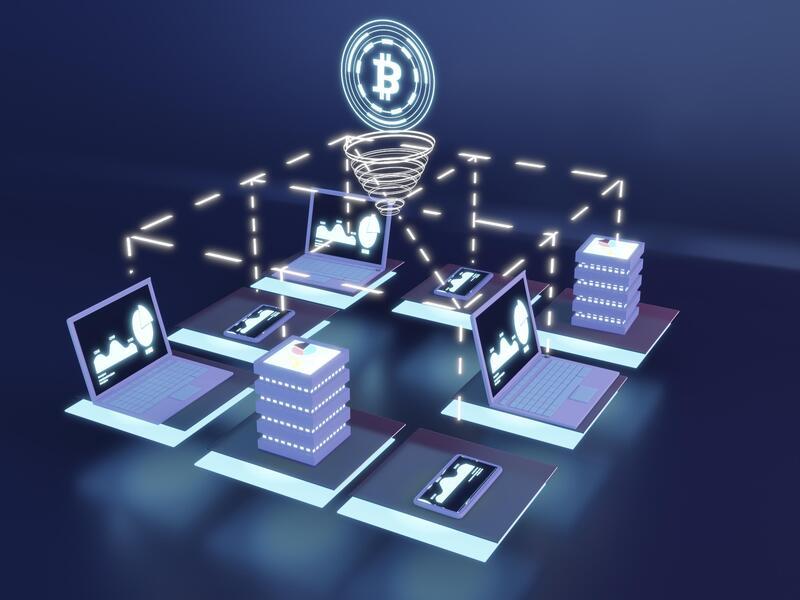
Decentralized finance, or DeFi, is quickly becoming a popular alternative to traditional finance. With the rise of blockchain technology and cryptocurrencies, DeFi offers numerous advantages over traditional finance. In this article, we will examine the advantages of DeFi over traditional finance.
One of the main advantages of DeFi is its decentralized nature. Unlike traditional finance, which relies on intermediaries such as banks and financial institutions, DeFi applications are built on top of decentralized blockchain platforms such as Ethereum. This means that financial transactions can be conducted peer-to-peer without the need for intermediaries. This not only reduces transaction fees but also eliminates the need for trust in intermediaries.
Another advantage of DeFi is its transparency. Because DeFi applications are built on blockchain technology, all transactions are recorded on a public ledger, providing transparency and reducing the risk of fraud. This is in contrast to traditional finance, where transactions are often opaque and difficult to trace.
DeFi also offers greater accessibility and inclusivity. Traditional finance often requires high barriers to entry, such as credit scores and collateral, which can exclude large segments of the population from accessing financial services. In contrast, DeFi allows anyone with an internet connection to access financial services and participate in the ecosystem.
In summary, DeFi offers numerous advantages over traditional finance, including decentralization, transparency, and accessibility. As the DeFi ecosystem continues to grow, we can expect it to become an increasingly important player in the financial industry.
Risks and Rewards: Understanding the Challenges of DeFi

Decentralized finance (DeFi) has gained a lot of attention in recent years, promising a new way of conducting financial transactions. While DeFi offers several benefits over traditional finance, there are also potential challenges and risks that investors and users need to be aware of.
DeFi is decentralized
One of the biggest advantages of DeFi is its decentralized nature. Traditional finance relies heavily on intermediaries such as banks and financial institutions to facilitate transactions, which can result in higher fees and longer wait times. DeFi, on the other hand, allows for peer-to-peer transactions without the need for intermediaries, making the process faster and more affordable.
However, DeFi is still in its early stages, and there are several challenges that need to be addressed. One of the biggest challenges is security. Because DeFi transactions are conducted on blockchain networks, they are vulnerable to hacking and other forms of cybercrime. It is important for DeFi platforms to implement strong security measures to protect users’ funds.
Another challenge is regulatory uncertainty. DeFi operates outside of traditional financial regulations, which can make it difficult for users to know what protections are available to them. As DeFi continues to gain popularity, it is likely that regulators will take a closer look at the industry and develop new regulations to ensure user safety and prevent illegal activity.
Despite these challenges, the potential rewards of DeFi are significant. By eliminating intermediaries and allowing for peer-to-peer transactions, DeFi has the potential to make financial transactions faster, cheaper, and more accessible to people around the world. As the industry continues to grow and mature, it is important for users and investors to educate themselves on the risks and rewards of DeFi.
Conclusion about Defi

In conclusion, DeFi has the potential to revolutionize the financial industry by providing a more accessible, transparent, and decentralized system for financial transactions. However, like any emerging technology, there are challenges and risks that must be addressed. While DeFi offers attractive rewards, it is important to understand the risks and take appropriate precautions before investing or participating in the DeFi ecosystem. As the DeFi space continues to evolve, it is important for investors, regulators, and developers to work together to ensure its sustainability and growth. Ultimately, the success of DeFi will depend on how well it balances the rewards with the risks and challenges that come with this new form of finance.
FAQ
Q: What is DeFi?
A: DeFi, or Decentralized Finance, is a financial system built on blockchain technology that allows for peer-to-peer transactions without the need for traditional intermediaries such as banks or financial institutions.
Q: How does DeFi work?
A: DeFi works by using smart contracts, which are self-executing contracts with the terms of the agreement written directly into code. These smart contracts allow for automatic transactions to occur based on predefined rules.
Q: What are some examples of DeFi applications?
A: Some examples of DeFi applications include decentralized exchanges (DEXs), lending and borrowing platforms, and prediction markets.
Q: What are the benefits of using DeFi?
A: DeFi provides several benefits, including greater accessibility and inclusivity, lower transaction fees, faster transaction times, and increased transparency.
Q: What are the risks associated with using DeFi?
A: There are several risks associated with using DeFi, including smart contract vulnerabilities, market volatility, and the potential for fraudulent or malicious actors.
Q: How has DeFi impacted the traditional financial system?
A: DeFi has the potential to disrupt the traditional financial system by providing a more open and accessible alternative to traditional banking and finance.
Q: What is the future of DeFi?
A: The future of DeFi is exciting, with many experts predicting that it will continue to grow and evolve, becoming increasingly integrated into the broader financial system.
Q: How can individuals get involved in DeFi?
A: Individuals can get involved in DeFi by using DeFi applications such as decentralized exchanges, lending and borrowing platforms, and prediction markets. They can also invest in DeFi projects and tokens. However, it is important to conduct thorough research and understand the risks involved before getting involved in DeFi.


